Regulate Your Health Naturally with Herbal Tea Benefits

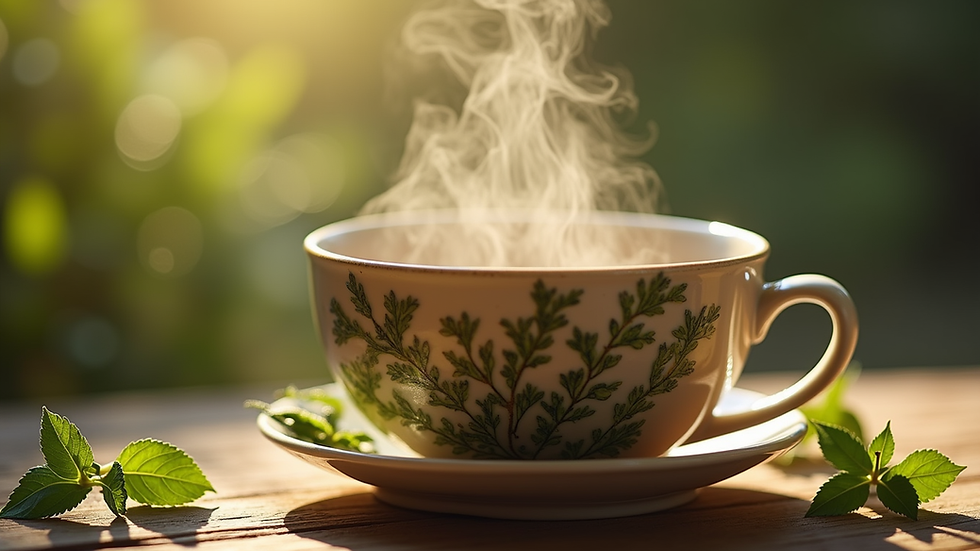
Herbal tea has been a staple in many cultures for centuries, celebrated not just for its delightful flavors but also for its numerous health benefits. In a world increasingly leaning towards natural remedies, herbal tea stands out as a simple yet effective way to enhance your well-being. This blog post will explore the various benefits of herbal tea, how it can help regulate your health naturally, and provide practical tips on incorporating it into your daily routine.
Understanding Herbal Tea
Herbal tea, unlike traditional tea made from the Camellia sinensis plant, is an infusion of various herbs, flowers, fruits, and spices. This means that herbal teas can be caffeine-free and offer a wide range of flavors and health benefits. Some popular types of herbal teas include:
Chamomile: Known for its calming properties.
Peppermint: Often used to aid digestion.
Ginger: Recognized for its anti-inflammatory effects.
Hibiscus: Valued for its potential to lower blood pressure.
The Nutritional Profile of Herbal Teas
Herbal teas are rich in antioxidants, vitamins, and minerals. These components can help combat oxidative stress in the body, which is linked to various chronic diseases. For instance, hibiscus tea is high in vitamin C, while ginger tea contains gingerol, a powerful antioxidant.
Health Benefits of Herbal Tea
1. Supports Digestive Health
Many herbal teas are known for their digestive benefits. Peppermint tea, for example, can help relieve bloating and gas, while ginger tea is often recommended for nausea and upset stomach. Drinking herbal tea after meals can promote better digestion and comfort.
2. Enhances Immune Function
Herbal teas can be a great ally in boosting your immune system. Elderberry tea is particularly noted for its ability to fight off colds and flu. The antioxidants in herbal teas help strengthen the immune response, making it easier for your body to fend off illnesses.
3. Promotes Relaxation and Sleep
If you struggle with sleep, herbal teas like chamomile and valerian root can be beneficial. Chamomile is well-known for its calming effects, making it a popular choice before bedtime. Drinking a warm cup of herbal tea can signal your body that it’s time to unwind.
4. Aids in Weight Management
Certain herbal teas can support weight loss efforts. Green tea, while technically not an herbal tea, is often included in this category due to its metabolism-boosting properties. Herbal teas like dandelion and ginger can also help reduce appetite and improve digestion, which may assist in weight management.
5. Reduces Stress and Anxiety
Herbal teas can be a natural way to manage stress and anxiety. The act of brewing and sipping tea can be meditative, and ingredients like lavender and lemon balm are known for their calming effects. Incorporating these teas into your daily routine can help create a sense of peace.
How to Brew the Perfect Cup of Herbal Tea
Brewing herbal tea is simple, but there are a few tips to ensure you get the most flavor and benefits:
Choose Quality Ingredients: Opt for loose-leaf herbs or high-quality tea bags. Fresh herbs can also enhance the flavor.
Use the Right Temperature: Most herbal teas are best brewed with boiling water (around 200°F or 93°C).
Steep Time: Allow the tea to steep for 5-10 minutes, depending on the herb. Longer steeping times can extract more flavor and benefits.
Experiment with Flavors: Feel free to mix different herbs or add natural sweeteners like honey or lemon for added flavor.
Incorporating Herbal Tea into Your Daily Routine
Morning Ritual
Start your day with a refreshing cup of herbal tea. Consider a blend that includes ginger and lemon to kickstart your metabolism and provide a vitamin C boost.
Afternoon Pick-Me-Up
Instead of reaching for coffee, try a cup of peppermint tea. It can help improve focus and digestion, making it a great choice for an afternoon break.
Evening Wind Down
In the evening, switch to calming teas like chamomile or lavender. This can help signal your body that it’s time to relax and prepare for sleep.
Herbal Tea Recipes to Try
Ginger Lemon Tea
Ingredients:
1-inch piece of fresh ginger, sliced
Juice of half a lemon
Honey to taste
2 cups of water
Instructions:
Boil the water and add the ginger slices.
Let it simmer for 10 minutes.
Strain the tea into a cup, add lemon juice and honey, and enjoy.
Chamomile Lavender Blend
Ingredients:
1 tablespoon dried chamomile flowers
1 teaspoon dried lavender flowers
2 cups of water
Instructions:
Boil the water and add chamomile and lavender.
Steep for 5-7 minutes.
Strain and serve warm.
Potential Side Effects and Considerations
While herbal teas are generally safe, it’s essential to be aware of potential side effects. Some herbs can interact with medications or cause allergic reactions. Always consult with a healthcare professional if you have concerns, especially if you are pregnant, nursing, or taking medications.
Conclusion
Herbal tea is more than just a comforting beverage; it’s a natural way to support your health and well-being. With a variety of flavors and benefits, there’s an herbal tea for everyone. By incorporating herbal tea into your daily routine, you can enjoy its numerous health benefits while indulging in a soothing ritual. So, why not brew a cup today and experience the natural health benefits for yourself?


Comments