Building Community: Customer Stories and Herbal Health Tips

In a world increasingly focused on wellness and natural remedies, the importance of community cannot be overstated. Building a supportive network around herbal health not only enhances individual experiences but also fosters a sense of belonging. This blog post explores how customer stories can inspire others and shares practical herbal health tips that anyone can incorporate into their daily lives.

The Power of Community in Herbal Health
Why Community Matters
Community plays a crucial role in the journey toward better health. When individuals come together, they share experiences, knowledge, and support. This collective wisdom can lead to more effective use of herbal remedies and a deeper understanding of their benefits.
Shared Experiences: Hearing how others have benefited from herbal remedies can motivate individuals to try new approaches.
Support Systems: A community provides emotional and practical support, making it easier to stick to health goals.
Knowledge Exchange: Members can share tips, recipes, and personal stories that enhance everyone's understanding of herbal health.
Customer Stories: Real-Life Impact
Customer stories are powerful tools for building community. They provide relatable examples of how herbal health practices can lead to positive changes. Here are a few inspiring stories from our community:
Story 1: Sarah's Journey with Lavender
Sarah, a busy mother of two, struggled with anxiety and sleep issues. After learning about the calming properties of lavender, she decided to incorporate it into her nightly routine. She started using lavender essential oil in her diffuser and made lavender tea before bed. Within weeks, Sarah noticed a significant improvement in her sleep quality and overall mood. Her story encourages others to explore the benefits of herbal remedies for mental health.
Story 2: Mark's Herbal Remedies for Digestive Health
Mark faced chronic digestive issues that affected his daily life. After consulting with a herbalist, he began using peppermint and ginger to soothe his stomach. He shared his journey on our community forum, detailing how these herbs helped alleviate his symptoms. Mark's experience highlights the importance of seeking professional guidance when exploring herbal health options.
Practical Herbal Health Tips
Incorporating herbal remedies into your daily routine can be simple and rewarding. Here are some practical tips to get started:
1. Start with Tea
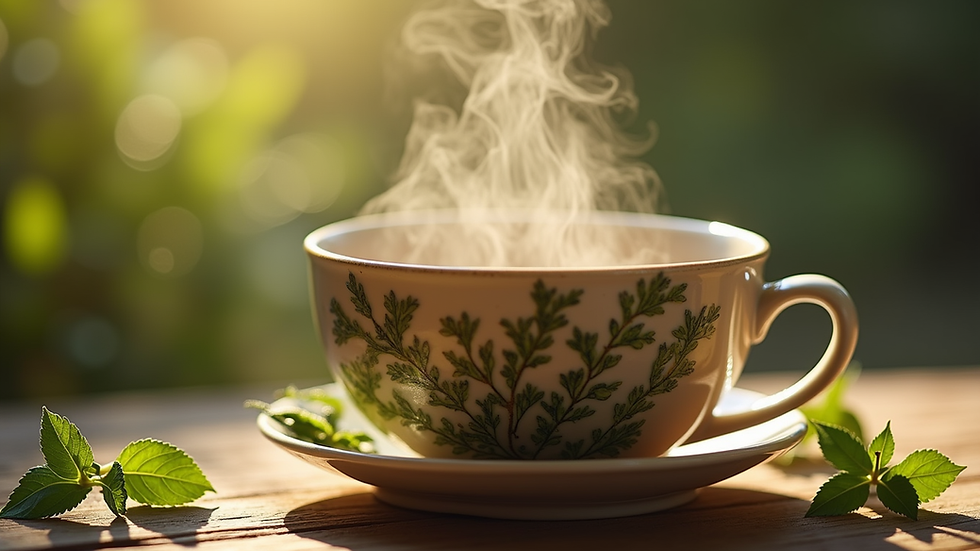
Herbal teas are an excellent way to introduce yourself to the world of herbal health. They are easy to prepare and can be enjoyed hot or cold. Here are a few popular options:
Chamomile: Known for its calming effects, chamomile tea can help with relaxation and sleep.
Peppermint: This refreshing tea aids digestion and can help relieve headaches.
Ginger: A great choice for boosting the immune system and reducing inflammation.
2. Create a Herbal Garden
Growing your own herbs can be a fulfilling and educational experience. Even a small balcony or windowsill can accommodate a few pots. Consider planting:
Basil: Great for culinary uses and has anti-inflammatory properties.
Thyme: Known for its antibacterial qualities and can be used in teas or cooking.
Rosemary: This aromatic herb can enhance memory and concentration.
3. Use Essential Oils
Essential oils are concentrated extracts from plants that can be used for various purposes. Here are some tips for using them safely:
Diffusion: Add a few drops of essential oil to a diffuser to create a calming atmosphere.
Topical Application: Dilute essential oils with a carrier oil before applying them to the skin. Lavender and tea tree oil are popular choices for their soothing properties.
Inhalation: Inhale directly from the bottle or add a drop to a tissue for quick relief from stress or headaches.
4. Explore Herbal Supplements
Herbal supplements can provide additional support for specific health concerns. Always consult with a healthcare professional before starting any new supplement regimen. Some popular options include:
Echinacea: Often used to boost the immune system.
Ashwagandha: Known for its adaptogenic properties, helping the body manage stress.
Turmeric: Contains curcumin, which has anti-inflammatory benefits.
Building Connections Through Workshops
Hosting workshops can be an effective way to build community and share knowledge about herbal health. These events can range from hands-on herbal crafting to informative sessions on the benefits of various herbs. Here are some ideas for workshops:
Herbal Cooking Classes
Teach participants how to incorporate herbs into their cooking. This can include making herbal-infused oils, teas, and dishes that highlight the flavors and benefits of fresh herbs.
DIY Herbal Remedies
Offer workshops on creating simple herbal remedies, such as salves, tinctures, or teas. Participants can learn about the properties of different herbs and how to use them effectively.
Community Herb Walks
Organize guided walks in local parks or nature reserves to identify and learn about wild herbs. This can foster a deeper connection to nature and encourage participants to explore herbal health in their own backyards.
Engaging with Your Community
Building a community around herbal health is not just about sharing knowledge; it’s also about fostering connections. Here are some ways to engage with your community:
Online Forums and Social Media Groups
Create or join online platforms where individuals can share their experiences, ask questions, and support one another. This can be a great way to connect with like-minded individuals and expand your knowledge.
Local Meetups
Organize local meetups for individuals interested in herbal health. This can be a casual gathering in a park or a more structured event with guest speakers and activities.
Collaborate with Local Businesses
Partner with local health food stores, herbal shops, or wellness centers to host events or workshops. This can help reach a broader audience and strengthen community ties.
Conclusion
Building a community around herbal health is a rewarding journey that benefits everyone involved. By sharing customer stories and practical tips, we can inspire others to explore the world of herbal remedies. Whether you’re sipping a calming cup of chamomile tea or growing your own herbs, remember that you’re not alone on this path. Together, we can create a supportive network that promotes wellness and connection.
As you embark on your herbal health journey, consider sharing your own stories and experiences. Your insights could inspire someone else to take the first step toward a healthier, more vibrant life.

Comments